How to Pass Endotoxin Method Suitability Testing the First Time
Method suitability testing is one of the most important steps in bacterial endotoxin testing (BET). Before a product can be routinely tested for endotoxins, laboratories must demonstrate that the sample does not interfere with the assay and that endotoxin can be accurately detected in the product matrix.
Unfortunately, many laboratories encounter Product Positive Control (PPC) failures, low recovery, repeated investigations, and delayed validation timelines during method suitability studies.
The good news is that most failures are preventable.
By understanding the common causes of method suitability failure and implementing a structured approach, laboratories can significantly improve their chances of passing method suitability testing on the first attempt.
What Is Method Suitability Testing?
Method suitability testing demonstrates that a product does not inhibit or enhance endotoxin detection.
In simple terms, the study answers a critical question:
Can the endotoxin test accurately detect endotoxin in this product?
To answer this question, a known amount of endotoxin is added to the sample matrix and recovered through the assay.
The recovery result is then evaluated against predefined acceptance criteria.
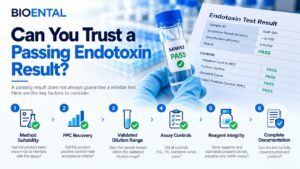
Without successful method suitability testing, routine endotoxin results may not be considered reliable or defensible during audits and inspections.
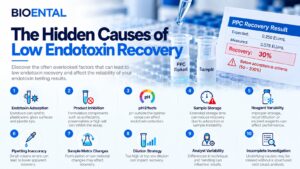
Why Do Method Suitability Studies Fail?
Most failures are linked to one or more of the following:
- Product inhibition
- Low PPC recovery
- Incorrect dilution selection
- Endotoxin adsorption
- pH interference
- Reagent handling issues
- Calculation errors
- Inappropriate consumables
Fortunately, these risks can often be identified before testing begins.
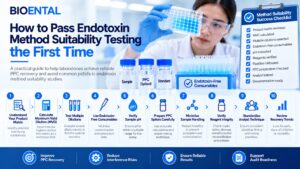
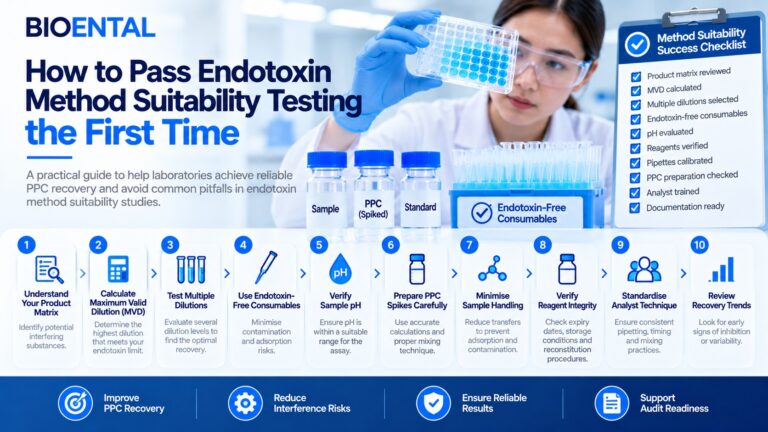
Step 1: Understand Your Product Matrix
Not all products behave the same way during endotoxin testing.
Certain formulations are more likely to interfere with endotoxin detection.
Common interfering substances include:
- Surfactants
- Preservatives
- High salt concentrations
- Chelating agents
- Organic solvents
- Protein-rich formulations
- Biologics
Before starting method suitability testing, review the formulation and identify potential interference risks.
Pro Tip
Products known to cause inhibition often require additional dilution studies during method development.
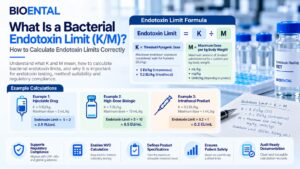
Step 2: Calculate Your Maximum Valid Dilution (MVD)
One of the most common mistakes is selecting dilution factors without first calculating the Maximum Valid Dilution (MVD).
MVD defines the highest allowable dilution at which endotoxin can still be detected while meeting the product’s endotoxin limit.
Testing beyond the MVD may produce results that are not scientifically justified.
Best Practice
- Calculate MVD before testing.
- Document the calculation.
- Use MVD as a guide when selecting dilution levels.
Step 3: Test Multiple Dilutions Early
Many laboratories begin with a single dilution and only investigate alternatives after failure occurs.
A more efficient strategy is to evaluate several dilution levels during the initial study.
For example:
- 1:10
- 1:20
- 1:40
- 1:80
- 1:100
This approach helps identify the dilution that minimizes interference while maintaining acceptable sensitivity.
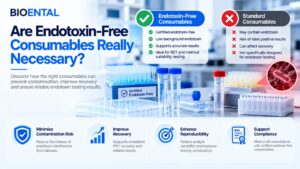
Step 4: Use Certified Endotoxin-Free Consumables
Even when the assay itself is functioning correctly, consumables can influence recovery.
Potential issues include:
- Endotoxin contamination
- Endotoxin adsorption
- Sample loss
- Increased variability
Use certified endotoxin-free:
- Pipette tips
- Tubes
- Reservoirs
- Microplates
- Sample containers
This simple step can significantly improve study reliability.
Step 5: Verify Sample pH
pH is frequently overlooked during method suitability investigations.
Extreme pH conditions may interfere with the endotoxin detection reaction.
Consider evaluating:
- Native sample pH
- Diluted sample pH
- Buffered sample pH
Small adjustments may improve recovery significantly.
Step 6: Prepare PPC Spikes Carefully
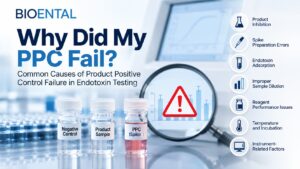
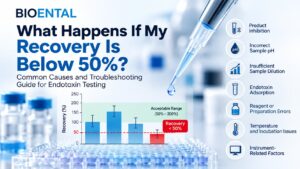
Product Positive Control (PPC) recovery is often the deciding factor in method suitability studies.
Common causes of PPC failure include:
- Incorrect spike preparation
- Pipetting errors
- Incomplete mixing
- Calculation mistakes
Best Practice
- Use calibrated pipettes.
- Verify calculations independently.
- Mix thoroughly.
- Prepare spikes immediately before use.
Step 7: Minimize Sample Handling
Every additional transfer step introduces risk.
Excessive handling can increase:
- Endotoxin adsorption
- Contamination risk
- Variability
Whenever possible:
✓ Minimize transfers
✓ Use validated containers
✓ Follow consistent preparation procedures
Step 8: Verify Reagent Integrity
Even minor reagent issues can affect recovery performance.
Confirm:
- Expiry dates
- Storage conditions
- Reconstitution procedures
- Lot traceability
Never assume a reagent is functioning correctly simply because it has not expired.
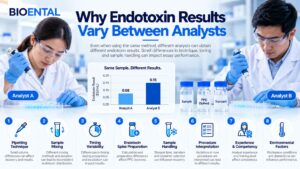
Step 9: Standardize Analyst Technique
Different analysts may produce different results using the same method.
Sources of variability include:
- Pipetting technique
- Mixing practices
- Timing differences
- Sample preparation methods
A standardized procedure helps improve reproducibility and reduce unexpected recovery failures.
Step 10: Investigate Recovery Trends, Not Just Failures
Many laboratories focus only on outright failures.
However, recovery trends often provide early warning signs.
For example:
- Recovery gradually decreasing over time
- Increased variability between runs
- Dilution-dependent recovery changes
Trend analysis can identify issues before they become validation failures.
Common Reasons Laboratories Need Multiple Attempts
Repeated method suitability studies are often caused by:
 Starting with only one dilution
Ignoring pH effects
Using non-certified consumables
Poor spike preparation
Incomplete product knowledge
Inadequate root cause investigations
Failure to review previous recovery trends
Addressing these issues early can significantly reduce repeat testing.
Method Suitability Success Checklist
Before starting your study, confirm:
✓ Product formulation reviewed
✓ MVD calculated
✓ Multiple dilutions selected
✓ Endotoxin-free consumables available
✓ pH evaluated
✓ Reagents verified
✓ Pipettes calibrated
✓ PPC calculations reviewed
✓ Analysts trained
✓ Documentation prepared
The more items completed before testing begins, the higher the likelihood of first-pass success.
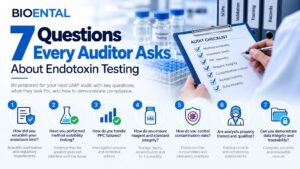
What Auditors Expect
During inspections, auditors commonly ask:
- How was method suitability established?
- Why was the selected dilution chosen?
- Were PPC recoveries acceptable?
- How were failures investigated?
- Can the study be reconstructed from the records?
A well-designed method suitability study should answer these questions clearly and defensibly.
Conclusion
Successful method suitability testing begins long before the assay is performed. Understanding the product matrix, calculating MVD, selecting appropriate dilutions, controlling interference risks, and maintaining procedural consistency can dramatically improve first-pass success rates.
Rather than treating method suitability as a regulatory hurdle, laboratories should view it as a valuable tool for ensuring reliable endotoxin testing results.
BIOENTAL supports pharmaceutical, biotechnology, medical device, and healthcare laboratories with method suitability studies, PPC recovery investigations, endotoxin troubleshooting, recombinant endotoxin technologies, and endotoxin-free consumables to help achieve reliable and compliant BET programs.
Continue Learning