BIOENTAL

Quantitative Recombinant Technologies

Explore recombinant endotoxin testing methods, including Recombinant Cascade Reagent (rCR) and Recombinant Factor C (rFC), for quantitative bacterial endotoxin detection in regulated laboratory environments.

Why Go Recombinant?

  • Fully synthetic / recombinant proteins (no animal sourcing)
  • Eliminates β-glucan interference (Factor G pathway)
  • Consistent lot-to-lot performance
  • Supports 3Rs (Replacement, Reduction, Refinement) and ESG goals
  • Compliant pathways via USP <86> (official since May 2025)


Feature

Animal
Source


Mechanism


Detection
Method

β-Glucan
Interference

Reader Compatibility

Transition Effort

Lot-to-Lot Variability

Sensitivity

USP Status

Best For

Mechanism of Action

Yes (Horseshoe
crab)

Full natural
cascade

Kinetic
Chromogenic /
others


Yes (Factor G)


Standard absorbance

N/A

Higher

Excellent

<85>

Legacy validated methods

LAL Cascade


No

Recombinant full
cascade


Kinetic
Chromogenic


No


Standard absorbance

Minimal

Low

Excellent

<86>

Seamless switch

rCR Cascade


No

Single
Factor C

Typically
Endpoint
Fluorescence


No

Fluorescence reader needed

Moderate

Low

Excellent / Often Superior

<86>

Maximum specificity

rFC Cascade

Feature

Animal Source

Mechanism

Detection Method

β-Glucan Interference

Reader Compatibility

Transition Effort

Lot-to-Lot Variability

Sensitivity

USP Status

Best For

Mechanism of Action

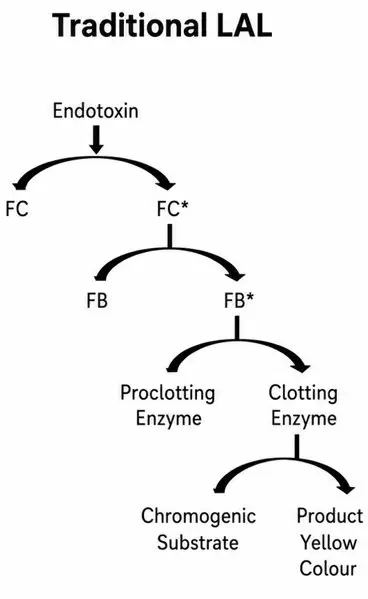
Traditional LAL

Yes (Horseshoe crab)

Full natural cascade

Kinetic Chromogenic / others

Yes (Factor G)

Standard absorbance

N/A

Higher

Excellent

<85>

Legacy validated methods

LAL Cascade

No

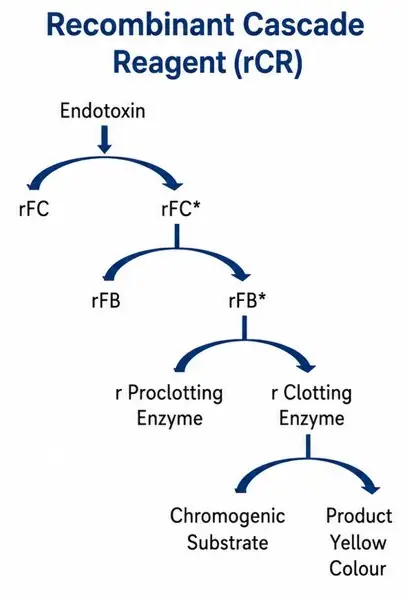
Recombinant full cascade

Kinetic Chromogenic

No

Standard absorbance

Minimal

Low

Excellent

<86>

Seamless switch

rCR Cascade

rFC

No

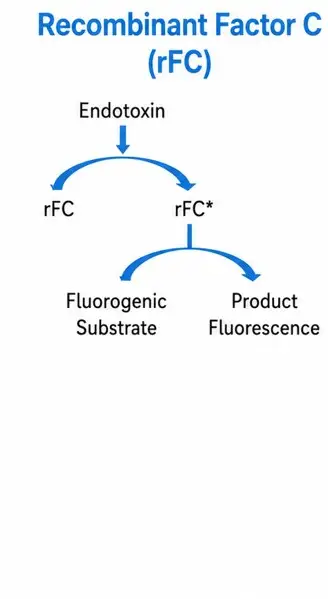
Single Factor C

Typically Endpoint Fluorescence

No

Fluorescence reader needed

Moderate

Low

Excellent / Often Superior

<86>

Maximum specificity

rFC Cascade
  • rCR (Recombinant Cascade Reagent) – The Closest Mimic to Traditional LAL
  • rCR reagents contain three recombinant proteins: Factor C, Factor B, and proclotting enzyme. This recreates the full enzymatic cascade of natural LAL/TAL for kinetic chromogenic detection.

Key Features:

  • Kinetic chromogenic method (absorbance at 405 nm) — same as your existing LAL protocols.
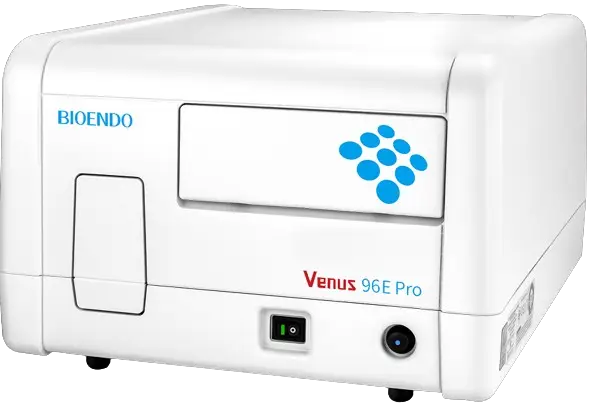
  • Compatible with standard incubating microplate readers and software (no new capital investment).
  • High sensitivity (typically 0.005 EU/mL or better).
  • Real-time kinetic monitoring for quantitative results.

Strengths:

  • Seamless transition from LAL workflows.
  • Full cascade amplification for robust signal.
  • No β-glucan false positives.
  • Reduced lot-to-lot variability compared to natural LAL.
  • Excellent performance in complex matrices.

Considerations:

  • Product-specific verification under USP <86>.
  • Ideal For: Labs wanting minimal method change while going fully animal-free. Perfect for pharma water testing, parenterals, biologics, and medical devices.

rFC – Single-Protein, Highly Specific Endotoxin. rFC uses only the recombinant Factor C protein (the primary endotoxin-binding component) with a fluorogenic or chromogenic substrate, typically in an endpoint fluorescent format.

Key Features:

  • Endpoint fluorescence (excitation/emission specific to substrate).
  • Exceptional specificity to endotoxins only.
  • Often faster reaction times due to simplified pathway.
  • Liquid-stable formats available for reduced waste.


Strengths:

  • Highest specificity — no interference from β-glucans or many other substances.
  • Superior precision and repeatability in many comparative studies.
  • Excellent lot-to-lot consistency.
  • Strong track record (used for 10+ years in various markets).
  • Potential for lower long-term costs due to efficiency.

Considerations:

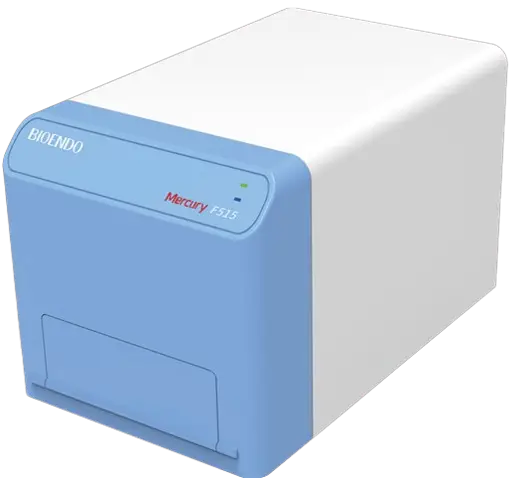
  • Requires fluorescence-capable plate reader
  • Different methodology (endpoint vs kinetic) may need more training/validation.
  • May show differences in recovery for certain environmental endotoxins compared to full cascade.
  • Ideal For: Labs prioritizing maximum specificity, sustainability, and willing to adapt instrumentation/workflows. Great for well-characterized products with known matrices.

Benefits, Strengths & Constraints (Overall Recombinant)

Sustainability & Ethics: Supports horseshoe crab conservation and 3Rs principles.

Supply Chain Security: Manufactured recombinantly — scalable and stable supply.

Improved Specificity & Robustness: No glucan interference reduces false positives and retests.

Consistency: Lower variability improves data reliability and audit confidence.

Efficiency: Often fewer dilutions, faster workflows, less waste.

Equivalent or better performance vs LAL in many studies.

Aligns with global ESG and corporate sustainability targets.

Future-proof against potential LAL supply pressures.

Initial validation effort (product-specific under ).

Possible equipment needs for rFC.

Higher per-test cost initially (ROI via reduced retests, waste, and regulatory goodwill).

Regulatory notification may be required when switching existing products.

Regulatory Compliance & Validation

  • USP <86> (official May 2025): Provides methods for both rFC and rCR as alternatives to <85>. Verify suitability per <1225>/<1226>.
  • Harmonized with EP 2.6.14 / 2.6.32 and JP pathways.
  • For new products: Easier adoption. For legacy: Demonstrate comparability.
  • Full cGMP manufacturing with traceability.
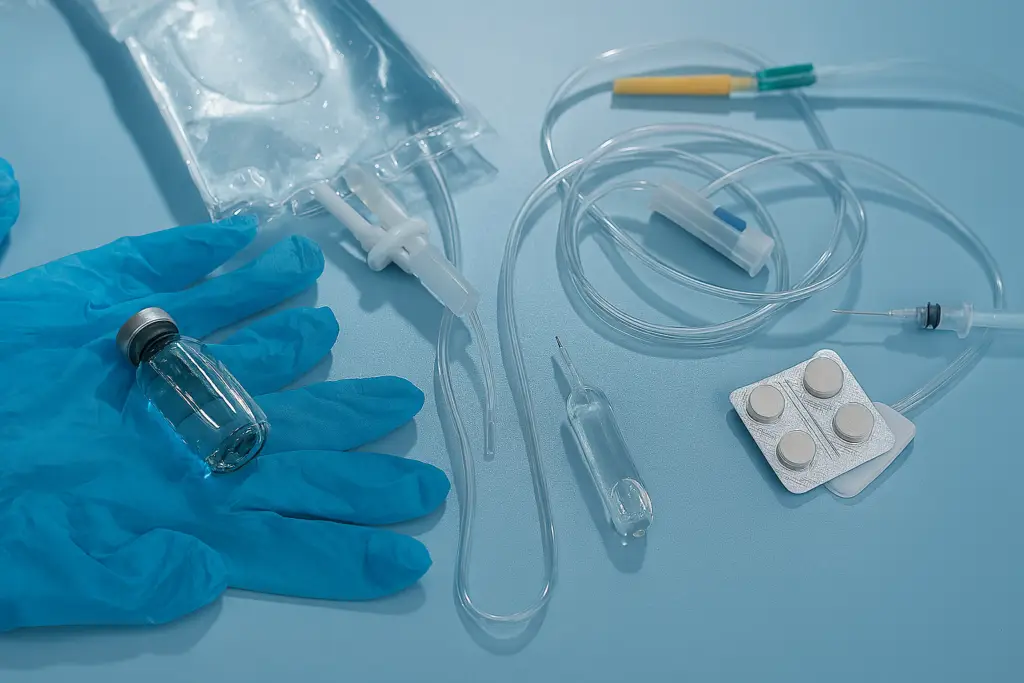
Medical Devices
Addition Lysate for Gel Clot

Applications & Case Studies

  • Pharma water (WFI/PW), in-process controls, final product release, medical devices.
  • Biologics, vaccines, injectables, antibiotics.
  • Example: Singapore manufacturer achieved 35-50% reduction in retest rates and full compliance with animal-free policy using rCR, with no change to existing plate readers.

Cost Considerations & ROI

  • Long-term Savings: Reduced retests, lower waste, no animal sourcing premiums, fewer supply disruptions.
  • Total Cost of Ownership: Typically favorable within 12-24 months, plus intangible benefits (sustainability reporting, brand reputation).
  • “Initial investment: Recombinant reagents typically cost 10–30% more than gel clot methods to achieve 21 CFR Part 11 compliance.”
  • Flexible kit sizes and bulk options for SEA high-throughput labs.
Dilution Tubes