Introduction
Singapore has established itself as a leading pharmaceutical, biotechnology and medical technology hub in Asia. With global pharmaceutical manufacturers, biologics producers and medical device companies operating within the country, maintaining product quality and patient safety remains a top priority.
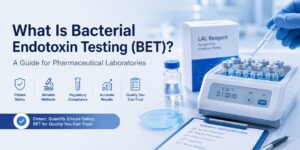
Bacterial Endotoxin Testing (BET) plays a critical role in ensuring that pharmaceutical products and medical devices meet regulatory requirements before they reach patients.
This article explores endotoxin testing requirements in Singapore, key regulatory considerations and emerging industry trends shaping the future of endotoxin testing.
Why Endotoxin Testing Is Important
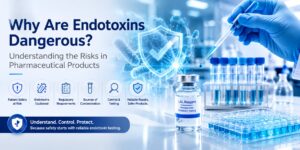
Endotoxins are bacterial toxins originating from the outer membrane of Gram-negative bacteria. Even in the absence of live microorganisms, endotoxins may remain present and can cause serious adverse reactions in patients.
Potential effects include:
-
- Fever
-
- Inflammation
-
- Chills
-
- Hypotension
-
- Septic shock in severe cases
As a result, products intended for injection or direct patient contact are typically subject to strict endotoxin control requirements.
Regulatory Requirements in Singapore
In Singapore, pharmaceutical and medical device manufacturers are expected to comply with internationally recognised quality and regulatory standards.
Relevant regulatory frameworks may include:
Health Sciences Authority (HSA)
The Health Sciences Authority regulates pharmaceutical products, biologics and medical devices in Singapore and expects manufacturers to maintain appropriate quality control systems.
Good Manufacturing Practice (GMP)
Manufacturers must operate in accordance with GMP requirements to ensure products are consistently produced and controlled to quality standards.
International Pharmacopoeias
Many laboratories performing endotoxin testing reference standards such as:
-
- United States Pharmacopeia (USP)
-
- European Pharmacopoeia (EP)
-
- Japanese Pharmacopoeia (JP)
These standards provide guidance on endotoxin testing methodologies and acceptance criteria.
Products Commonly Requiring Endotoxin Testing
Examples include:
-
- Injectable pharmaceuticals
-
- Biologics
-
- Vaccines
-
- Sterile products
-
- Dialysis products
-
- Medical devices
-
- Pharmaceutical water systems
Because these products may directly affect patient safety, endotoxin testing forms an important part of routine quality control activities.
Common Endotoxin Testing Methods Used in Singapore
Limulus Amebocyte Lysate (LAL)
LAL remains the most widely used endotoxin testing method globally and continues to be used extensively throughout Singapore’s pharmaceutical industry.
Common LAL techniques include:
-
- Gel Clot Method
-
- Kinetic Chromogenic Method
-
- Kinetic Turbidimetric Method
Recombinant Technologies
Increasing attention is being given to recombinant technologies, including:
-
- Recombinant Factor C (rFC)
-
- Recombinant Cascade Reagent (rCR)
These animal-free alternatives are gaining interest among organisations pursuing sustainability initiatives and long-term supply chain resilience.
Challenges Faced by Singapore Laboratories
Many pharmaceutical and microbiology laboratories encounter similar challenges regardless of company size.
Common issues include:
Maintaining Testing Consistency
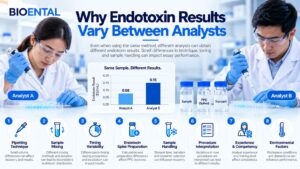
Small variations in workflow practices, consumables and sample handling can contribute to testing variability.
Managing Contamination Risks
Because endotoxin testing is highly sensitive, contamination prevention remains a key area of focus.
Improving Laboratory Efficiency
Quality control laboratories often seek ways to reduce turnaround times while maintaining compliance and data integrity.
Supporting Sustainability Objectives
Many organisations are evaluating recombinant endotoxin testing technologies as part of broader environmental and sustainability programmes.
Emerging Trends in Endotoxin Testing
Increased Adoption of Recombinant Technologies
As awareness grows, more laboratories are assessing recombinant endotoxin testing solutions such as rFC and rCR.
Greater Focus on Workflow Standardisation
Laboratories increasingly recognise the importance of standardised procedures and endotoxin-critical consumables in reducing variability.
Digitalisation and Automation
Automation and digital laboratory systems are helping organisations improve efficiency, traceability and data management.
Enhanced Regulatory Expectations
Regulators continue to emphasise:
-
- Data integrity
-
- Validation
-
- Risk management
-
- Quality systems
Laboratories that proactively strengthen these areas are often better positioned for future regulatory requirements.
The Importance of Endotoxin-Critical Consumables
In addition to testing methods, suitable consumables play an important role in supporting reliable endotoxin testing workflows.
Examples include:
-
- Endotoxin-free tubes
-
- Pyrogen-free pipette tips
-
- BET water
-
- Sample containers
-
- Reaction vessels
Standardising consumables may help laboratories reduce troubleshooting efforts and improve testing consistency.
How BIOENTAL Supports Laboratories in Singapore
BIOENTAL supports pharmaceutical, biotechnology and microbiology laboratories through:
-
- Endotoxin testing consumables
-
- BET workflow consultation
-
- Technical support
-
- Validation assistance
-
- Laboratory efficiency improvements
Our goal is to help laboratories maintain reliable, efficient and compliant endotoxin testing programmes.
Conclusion
Endotoxin testing remains an essential quality control activity within Singapore’s pharmaceutical and medical device industries. As regulatory expectations evolve and new technologies emerge, laboratories must balance compliance, efficiency, sustainability and operational performance.
By implementing robust testing programmes, maintaining suitable workflows and adopting appropriate technologies, organisations can continue to support product quality, patient safety and regulatory compliance.
For laboratories interested in discussing endotoxin testing workflows, recombinant technologies or endotoxin-critical consumables, BIOENTAL would be pleased to support a discussion.
Contact BIOENTAL
Have a question or need assistance? Our team is here to help. Feel free to reach out anytime.
Continue Learning
Recommended guides, troubleshooting resources, and validation insights for pharmaceutical, biotechnology, and medical device laboratories.