How Laboratory Efficiency Can Improve Testing Quality and Reduce Costs
Introduction
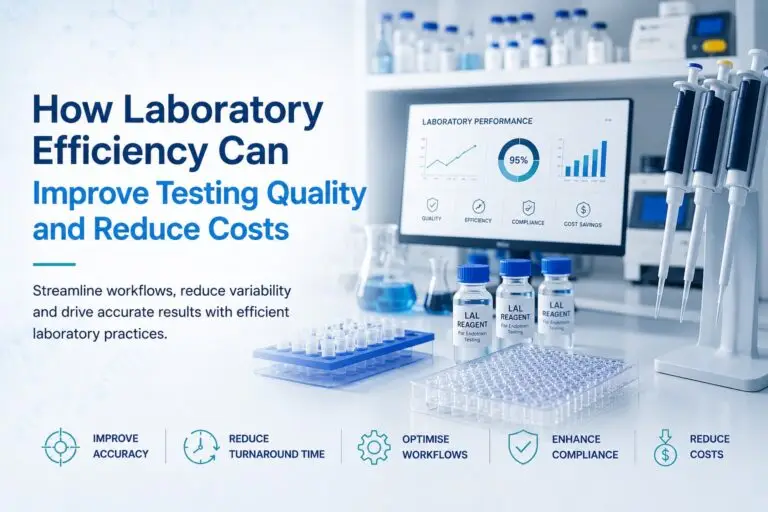
In today’s pharmaceutical, biotechnology and medical device industries, laboratories face increasing pressure to deliver accurate results, maintain compliance and operate efficiently. While quality and compliance remain top priorities, laboratory efficiency is becoming an increasingly important factor in overall business performance.
Laboratory inefficiencies can lead to longer turnaround times, increased operational costs, higher workloads and unnecessary repeat testing. Conversely, efficient laboratory workflows can improve productivity, enhance testing consistency and support better quality outcomes.
This article explores how laboratory efficiency impacts testing quality and practical ways laboratories can optimise their operations.
What Is Laboratory Efficiency?
Laboratory efficiency refers to the ability of a laboratory to perform testing activities accurately, consistently and within the required timelines while making optimal use of available resources.
Efficient laboratories aim to:
-
- Minimise unnecessary delays
-
- Reduce repeat testing
-
- Improve workflow consistency
-
- Optimise resource utilisation
-
- Maintain regulatory compliance
-
- Deliver reliable results
Efficiency should never come at the expense of quality. Instead, the goal is to improve productivity while maintaining high standards of accuracy and compliance.
Why Laboratory Efficiency Matters
Many laboratories focus heavily on testing methods and instrumentation but may overlook inefficiencies within day-to-day workflows.
Common consequences of inefficient laboratory operations include:
-
- Delayed product release
-
- Increased testing backlog
-
- Higher labour costs
-
- More investigations and deviations
-
- Reduced staff productivity
-
- Increased risk of human error
Over time, these inefficiencies can significantly impact operational performance and overall business costs.
Common Causes of Laboratory Inefficiency
Manual Processes
Manual documentation, calculations and data entry can consume valuable time and increase the likelihood of transcription errors.
Repeat Testing
Investigations, out-of-specification (OOS) results and contamination events often result in additional testing and resource utilisation.
Workflow Variability
Inconsistent procedures between operators can introduce variability and reduce overall productivity.
Equipment Downtime
Unexpected equipment failures or calibration issues may delay testing activities and impact turnaround times.
Consumable Management Issues
Shortages, inconsistent quality or unsuitable consumables can create workflow disruptions and increase troubleshooting efforts.
The Relationship Between Efficiency and Quality
Some organisations mistakenly view efficiency and quality as competing priorities.
In reality, efficient laboratories often achieve better quality outcomes because standardised and streamlined processes help reduce variability.
Benefits of improved efficiency may include:
-
- More consistent testing results
-
- Reduced contamination risks
-
- Lower investigation rates
-
- Improved data integrity
-
- Better utilisation of laboratory resources
By reducing unnecessary complexity, laboratories can often improve both efficiency and quality simultaneously.
Practical Ways to Improve Laboratory Efficiency
Standardise Workflows
Clearly defined procedures help reduce variability and improve consistency across operators and testing runs.
Review Consumables
Suitable and consistent consumables can help minimise troubleshooting, reduce variability and support smoother workflows.
Examples include:
-
- Endotoxin-free tubes
-
- Pyrogen-free pipette tips
-
- BET water
-
- Sample containers
Improve Training Programmes
Well-trained personnel can perform testing more consistently and confidently, reducing the likelihood of errors and investigations.
Optimise Equipment Management
Routine maintenance, calibration and qualification activities help minimise downtime and ensure reliable performance.
Evaluate Emerging Technologies
New testing technologies and workflow solutions may offer opportunities to improve productivity and support long-term operational goals.
Laboratory Efficiency in Endotoxin Testing
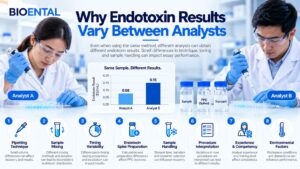
Bacterial Endotoxin Testing (BET) is particularly sensitive to workflow variability.
Factors such as:
-
- Sample handling
-
- Consumable selection
-
- Environmental controls
-
- Operator technique
can all influence testing outcomes.
Laboratories performing BET often benefit from reviewing workflow processes to identify opportunities for greater consistency and efficiency.
Even small improvements may help reduce repeat testing, troubleshooting efforts and overall testing costs.
Measuring Laboratory Efficiency
Some common indicators include:
-
- Testing turnaround time
-
- Repeat testing rates
-
- Investigation frequency
-
- Equipment downtime
-
- Sample throughput
-
- Resource utilisation
Tracking these metrics can help laboratories identify areas for improvement and monitor the effectiveness of optimisation initiatives.
How BIOENTAL Supports Laboratory Efficiency
BIOENTAL supports pharmaceutical, biotechnology and microbiology laboratories through:
-
- Endotoxin testing consumables
-
- Workflow optimisation support
-
- Technical consultation
-
- Validation support
-
- Laboratory efficiency improvements
We work with laboratories to identify practical opportunities to improve testing consistency, reduce operational inefficiencies and support reliable outcomes.
Conclusion
Laboratory efficiency is about more than speed. Efficient laboratories are often better positioned to maintain quality, reduce costs and meet increasing regulatory and operational demands.
By focusing on workflow standardisation, suitable consumables, effective training and continuous improvement, laboratories can enhance both testing quality and overall performance.
For laboratories interested in improving endotoxin testing workflows or evaluating endotoxin-critical consumables, BIOENTAL would be pleased to support a discussion.
Contact BIOENTAL
Have a question or need assistance? Our team is here to help. Feel free to reach out anytime.
Continue Learning
Recommended guides, troubleshooting resources, and validation insights for pharmaceutical, biotechnology, and medical device laboratories.