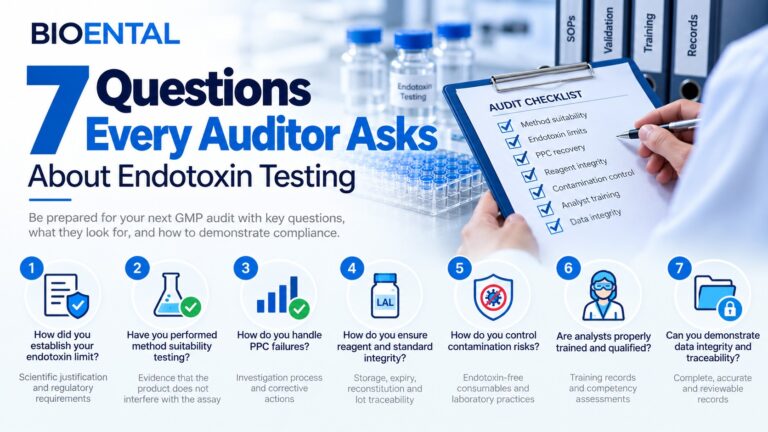
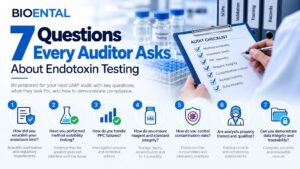
7 Questions Every Auditor Asks About Endotoxin Testing
Endotoxin testing is a critical quality control activity for pharmaceutical, biotechnology, medical device, and healthcare manufacturers. During GMP inspections and quality audits, auditors frequently review endotoxin testing programs to ensure compliance with pharmacopeial requirements and internal quality systems.
While specific questions may vary, most auditors focus on a few key areas: method suitability, validation, documentation, controls, and data integrity.
Understanding these common questions can help laboratories prepare for inspections and demonstrate confidence in their endotoxin testing processes.
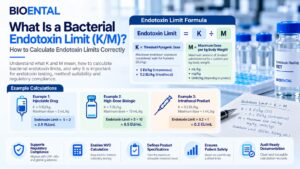
1. How Did You Establish Your Endotoxin Limit?
One of the first questions auditors often ask is how the endotoxin specification was determined.
Auditors typically expect supporting documentation showing:
- Product route of administration
- Applicable pharmacopeial requirements
- Endotoxin limit calculations
- Maximum dose considerations
- Scientific justification for the selected limit
The laboratory should be able to demonstrate that the endotoxin limit is scientifically justified and appropriately documented.
Be Prepared to Show:
- Endotoxin limit calculations
- Risk assessments
- Product-specific justifications
- Relevant SOPs and validation documents
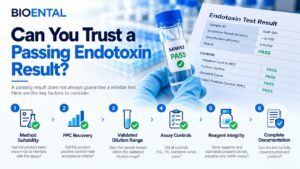
2. Have You Performed Method Suitability Testing?
Method suitability testing is one of the most heavily scrutinized areas during audits.
Auditors want evidence that the product does not interfere with endotoxin detection.
Typical questions include:
- Was method suitability performed?
- When was it performed?
- What dilution factor was selected?
- Were acceptance criteria met?
- How was inhibition addressed?
Failure to demonstrate method suitability may raise concerns regarding the reliability of routine endotoxin results.
Be Prepared to Show:
- Method suitability reports
- PPC recovery data
- Dilution studies
- Approval records
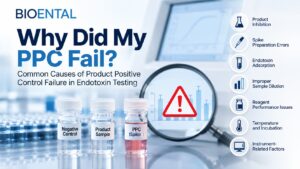
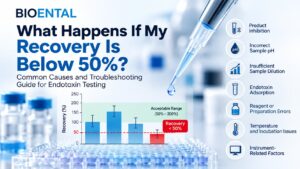
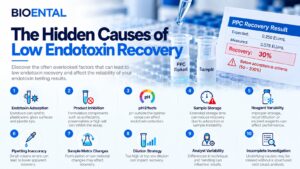
3. How Do You Handle PPC Failures?
Auditors understand that Product Positive Control (PPC) failures occasionally occur.
What matters is whether a structured investigation process exists.
They may ask:
- What is your PPC acceptance criterion?
- How do you investigate failures?
- What corrective actions were implemented?
- How do you prevent recurrence?
A documented root cause investigation process is often viewed positively during inspections.
Be Prepared to Show:
- Deviation reports
- Investigation records
- CAPA documentation
- Retesting justifications
4. How Do You Ensure Reagent and Standard Integrity?
Endotoxin test results depend heavily on reagent quality.
Auditors frequently review:
- Reagent storage conditions
- Expiry monitoring
- Reconstitution procedures
- Lot traceability
- Endotoxin standard preparation
Any gaps in reagent management may raise concerns regarding data reliability.
Be Prepared to Show:
- Reagent inventory logs
- Storage monitoring records
- Reagent preparation records
- Training documentation
5. How Do You Control Contamination Risks?
Environmental contamination remains a significant concern in endotoxin testing.
Auditors often evaluate how laboratories minimize contamination risks.
Questions may include:
- Are endotoxin-free consumables used?
- How are samples handled?
- What contamination controls are in place?
- How are positive negative controls investigated?
A robust contamination control strategy demonstrates good laboratory practice.
Be Prepared to Show:
- Consumable specifications
- Environmental monitoring records
- Laboratory procedures
- Investigation reports
6. Are Analysts Properly Trained and Qualified?
Even well-designed methods can produce unreliable results if personnel are inadequately trained.
Auditors commonly review:
- Analyst competency assessments
- Training records
- Qualification procedures
- Periodic retraining programs
Personnel performing endotoxin testing should be able to explain procedures and troubleshooting steps confidently.
Be Prepared to Show:
- Training matrices
- Competency assessments
- Qualification records
- Refresher training documentation
7. Can You Demonstrate Complete Data Integrity and Traceability?
Data integrity is a major focus area during modern GMP inspections.
Auditors expect complete traceability from sample receipt through final reporting.
Common questions include:
- Who performed the test?
- Which reagent lot was used?
- Were calculations verified?
- Can the result be reconstructed from the records?
- Are electronic records protected from unauthorized changes?
Strong documentation practices help demonstrate compliance and reliability.
Be Prepared to Show:
- Raw data records
- Audit trails
- Calculation worksheets
- Instrument records
- Approved reports
Auditor Readiness Checklist
Before an audit, verify that you can readily access:
✓ Endotoxin limit calculations
✓ Method suitability reports
✓ PPC recovery records
✓ Validation documentation
✓ Reagent traceability records
✓ Training and competency records
✓ Deviation and CAPA reports
✓ Raw data and audit trails
✓ Equipment calibration records
✓ Applicable SOPs
Common Audit Findings in Endotoxin Testing
Recurring observations during audits often include:
- Incomplete method suitability documentation
- Insufficient investigation of PPC failures
- Missing reagent traceability records
- Inadequate analyst training documentation
- Poor calculation verification practices
- Incomplete data integrity controls
- Outdated SOPs
Addressing these areas proactively can reduce audit observations and improve compliance readiness.
Conclusion
Most endotoxin testing audits focus on the same fundamental principles: scientific justification, method suitability, control effectiveness, documentation, training, and data integrity.
Laboratories that maintain complete records, investigate failures thoroughly, and establish robust testing procedures are generally better prepared to demonstrate compliance during inspections.
BIOENTAL supports pharmaceutical, biotechnology, medical device, and healthcare laboratories with endotoxin method suitability studies, technical troubleshooting, validation support, recombinant endotoxin technologies, and endotoxin-free consumables to help strengthen audit readiness and testing reliability.